
Gastritis: causes, symptoms and how to support stomach lining
Gastritis is inflammation of the stomach lining. The most common cause is an H. pylori infection, followed by regular NSAID use (like ibuprofen, aka Nurofen or advil), heavy alcohol intake and physical stress on the body. Symptoms include upper abdominal burning or pressure, nausea and bloating. Food is the first place to start: what you eat, and when, shapes how calm or irritated the lining feels and how much abdominal pressure is felt. Finding the root cause guides the rest.
• H. pylori is the most common cause of gastritis, so finding the root cause matters.
• Chronic gastritis can thin the lining and make it harder to absorb iron, folate and vitamin B12.
• Food is your first tool: regular, moderate meals, gut-supportive whole foods and a food diary help you calm the lining and find your own triggers.
• Garlic, fermented foods and tea are traditional gut-supportive foods with some research behind them.
• Symptoms lasting more than a week, and any blood in vomit or stool, are red flags that need prompt attention.
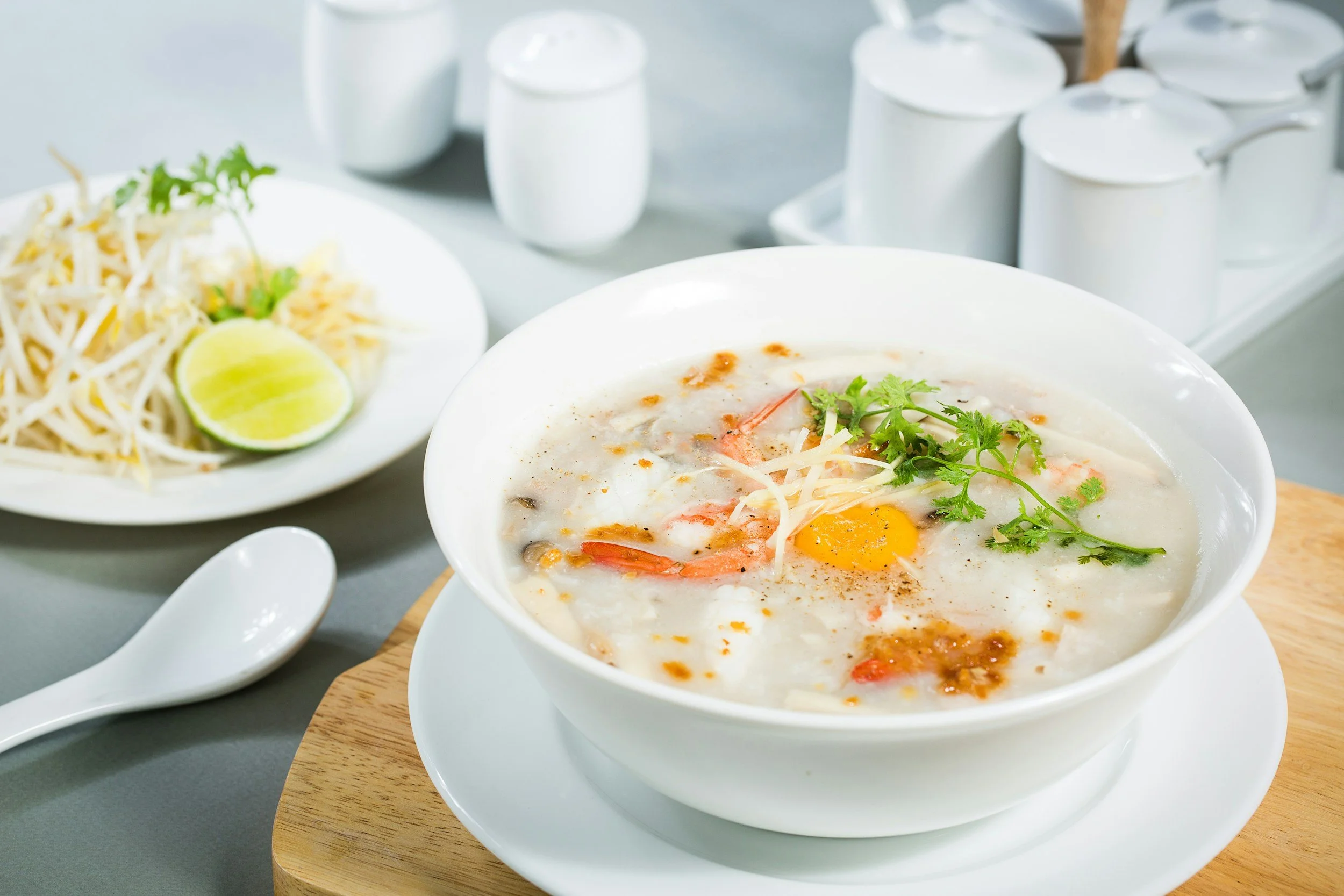


Avoiding trigger foods is not the same as gut healing
Avoiding foods that cause bloating, cramping or digestive discomfort may reduce your symptoms—but avoidance alone doesn’t necessarily heal the reason your gut became reactive. Discover why genuine gut healing requires time, nourishment and consistency.

Ibuprofen side effects & natural alternatives.
Pain is a message—not just something to suppress. Learn how ibuprofen affects the body, discover natural alternatives, and explore how the 30-Day Gut & Metabolic Reset supports lasting healing.

How to restore gut health after antibiotics (& other meds)
How do I repair my gut after antibiotics?
Antibiotics ruined my gut
Why am I bloated after antibiotics?
Can antibiotics cause leaky gut?
How long does it take for gut bacteria to recover?
…all these questions and more, answered.


Bioelectrics ~ your body is an electrical system.
Bioelectrics: The human body is electric. How Gut Health Impacts Energy, Charge, Healing & Cellular Function.

Gut transit time DIY test
Gut transit time is not just about going to the toilet each day, it is about how long food stays in your body.


Why your gut could be the missing piece to your mental health.
Gut health is a major factor in happiness, mood, brain function, anxiety, depression, stress management and more. The Gut Lab 30-day Gut and Metabolic Reset offers your an opportunity to get on top of your gut health and digestion once and for all, but the rewards you might enjoy most could be the clarity, self control and lighter moods.

Why the ‘Clean 15’ & ‘Dirty Dozen’ matter now more than ever
The Clean 15 and Dirty Dozen matter more than ever with the rising cost of living, as they offer a way you can approach organic food an conventional food in a more budget conscious way.

Salt water flushing: a fast, easy, mini gut-reset.
Discover how a salt water flush can support digestion, reduce bloating, reset the gut, and improve energy naturally. A step-by-step guide to performing a salt flush safely and effectively.
Salt flushing has become increasingly popular as a quick and effective way to reset digestion, improve elimination, and support both liver and gut health. A salt water flush uses simple ingredients — warm water and natural sea salt — to rapidly “flush the pipes” and clear accumulated waste from the digestive tract.
This natural method is particularly helpful after travel, periods of constipation or bloating, or when colonics or enemas aren’t available.
If you’re looking for an easy way to support your gut and feel lighter, clearer, and more energised, a salt flush may be worth exploring.

Germ theory vs. Terrain theory… and flaws of both
Germ theory vs. Terrain theory… what are the flaws of both? Are they mutually exclusive?!


