Cheeeese! Which cheeses are the healthiest?
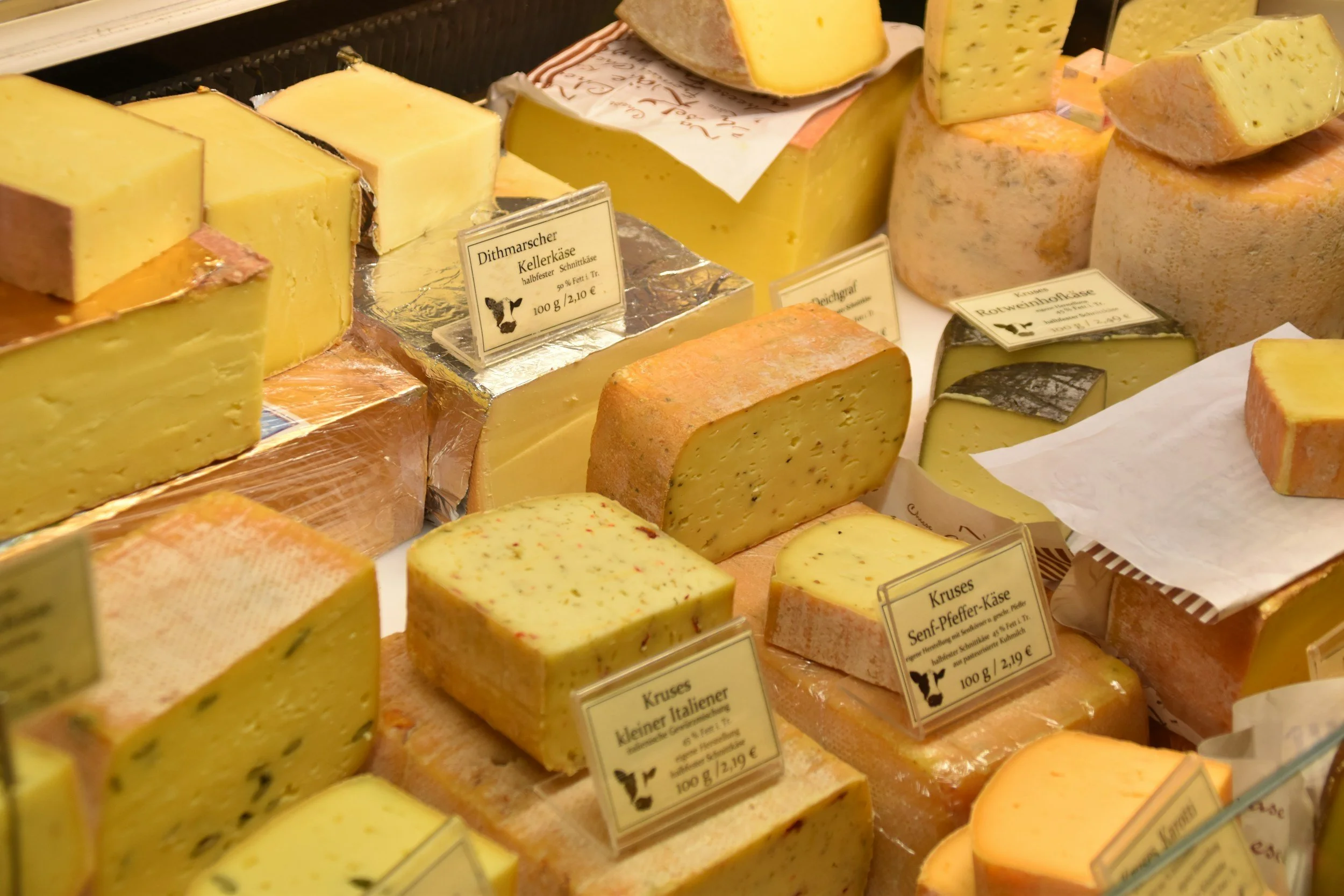
For thousands of years, cheese was made from fresh raw milk using natural animal rennet and time-honoured fermentation methods. It was a living, nutrient-dense food, rich in enzymes, beneficial bacteria, and bioavailable vitamins.
Today, a majority of supermarket cheese is made from the pasteurised milk of unhealthy feedlot cows, using lab-produced rennet derived from molds or GMO microorganisms.
So why does it matter?
Does pasteurisation destroy the nutrients in milk?
Yes. Raw milk is a biologically active food. It naturally contains enzymes (such as lipase and proteases), beneficial bacteria, immune factors, and heat-sensitive vitamins that assist digestion and nutrient absorption.
Pasteurisation; heating milk to destroy pathogenic bacteria, also inactivates many of these beneficial components.
According to Sally Fallon Morell, President of the Weston A. Price Foundation:
“Raw milk, especially raw milk from cows on pasture, is a very nutrient-dense food. Every single vitamin and mineral in raw milk has a special enzyme that ensures assimilation. When you pasteurize, all those enzymes are destroyed.”¹
Scientific literature confirms that heat treatment alters milk proteins, inactivates enzymes, and reduces microbial diversity.² While starter cultures are later added to pasteurised cheese, the original complex ecosystem of raw milk is permanently changed.
Also, modern dairy farms use growth hormones and antibiotics to raise their cows and these are transferred into the dairy products.
Does traditional cheese have more beneficial bacteria than pasteurised cheese?
Research reviewing raw milk cheeses notes that they contain a broader and more complex microbial community compared to pasteurised milk cheeses.²
Sally Fallon has argued that:
“The diverse community of microorganisms in raw milk cheese effectively limits the growth of pathogenic organisms.”³ These naturally occurring bacteria can inhibit pathogenic growth during proper ageing and contribute to metabolic by-products beneficial to the human gut.
In traditional food cultures, cheese fermentation was not simply preservation, it was a way of enhancing digestibility and nutrient assimilation.
Modern pasteurised cheeses rely on lab-made starter cultures rather than the naturally occurring microbiota present in raw milk.
What's the difference between animal rennet and microbial rennet?
Traditional cheese was coagulated using animal rennet, extracted from the stomachs of ruminant animals. Natural rennet contains a complex blend of enzymes, primarily chymosin and pepsin, which work synergistically during curd formation and ageing.
Modern cheese production often uses:
Microbial rennet (derived from molds or fungi)
Fermentation-produced chymosin (FPC), created using GMO engineered microorganisms
These are designed for consistency and scale rather than nutritional value.
Why is traditional cheese easier to digest?
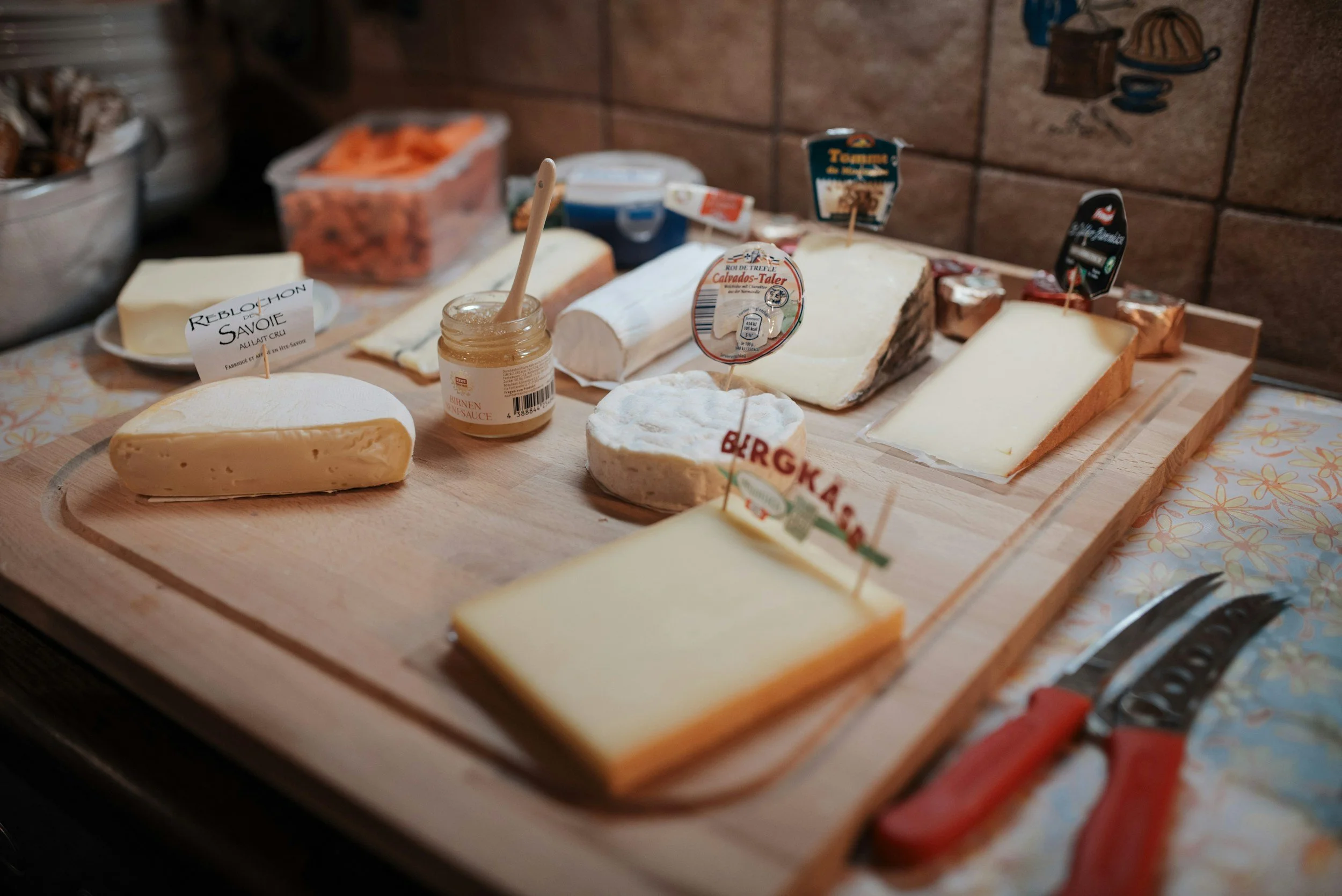
Many who struggle with gut health and commercial dairy report tolerating traditionally made raw milk cheeses more easily.
Possible reasons include:
Active enzymes assisting fat and protein breakdown
Extended fermentation reducing lactose content
Complex microbial activity pre-digesting milk proteins
Higher levels of fat-soluble vitamins in pasture-raised milk
Traditional diets studied by Dr. Weston A. Price consistently included raw or cultured dairy products from grass-fed animals, which he observed to be associated with strong bone structure, robust immunity, and low rates of chronic disease.⁵
While modern public health authorities emphasise pathogen risk reduction through pasteurisation, traditional food advocates argue that properly produced raw milk cheese, especially when aged appropriately, has a long history of safe consumption.³
How do I know what cheese to buy?
What is the healthiest cheese to buy in the supermarket?
1. Look for “raw milk” on the label
If a cheese is made from raw milk, it will usually say so clearly on the label. In countries like Australia and the US, raw milk cheeses are typically required to be aged for a minimum period (often 60 days in the US) to meet safety standards.
Second best options after raw milk cheese is goat, sheep or organic pastuerised milk.
Traditional European cheeses are often your best bet.
For example:
Pecorino Romano is frequently made from raw sheep’s milk and traditional lamb rennet, even when purchased from large supermarkets.
Some Parmigiano Reggiano and traditional Alpine cheeses are also raw milk products.
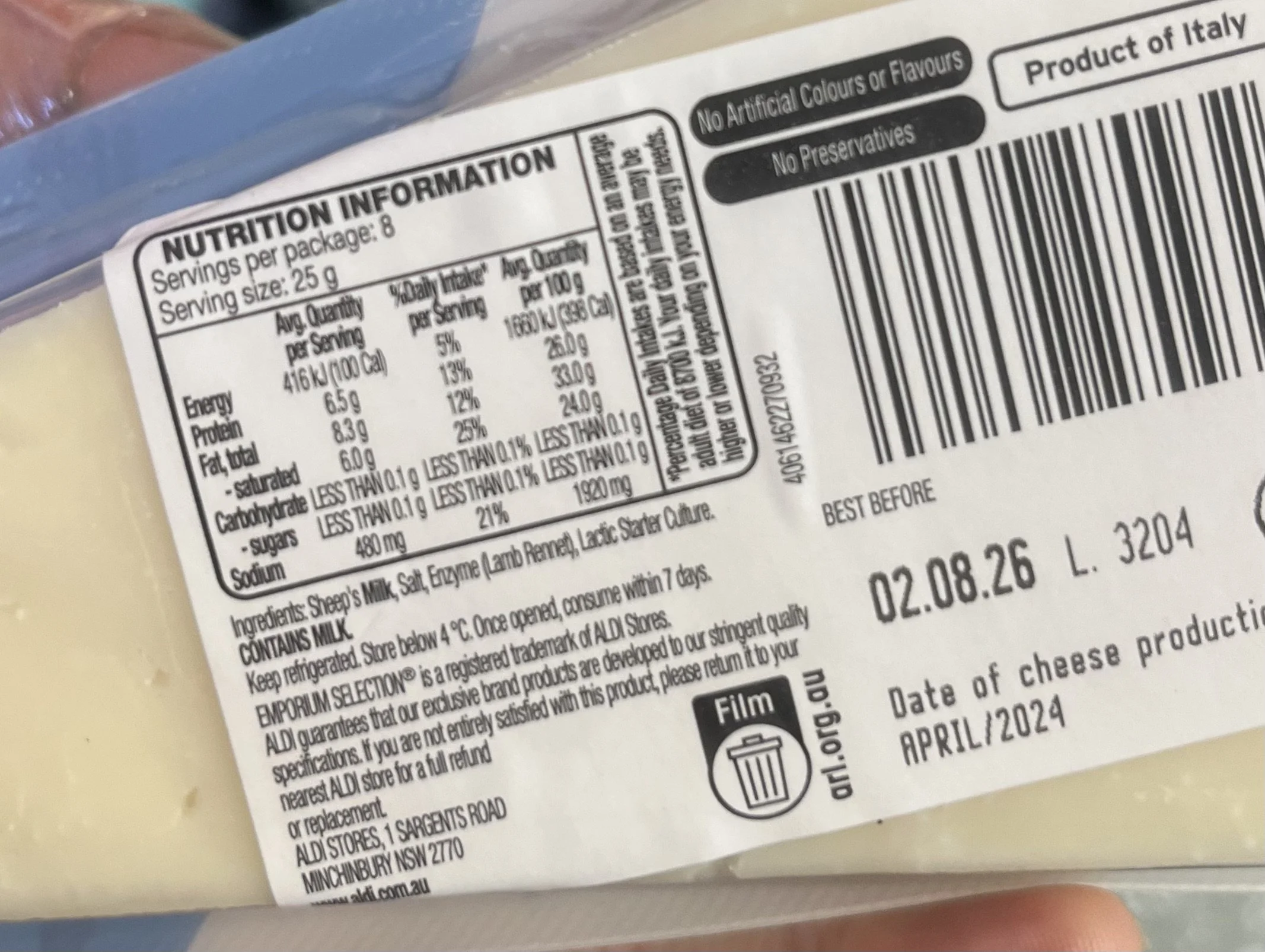
This is Pecorino Romano, sold at Aldi for $8 or $9. Photo taken Feb 2026. This is exactly what a cheese ingredients panel should look like, with just these 4 ingredients: milk, salt, animal rennet and starter culture.
2. Check the rennet type
Labels may say:
“Animal rennet”
“Traditional rennet”
“Microbial rennet”
“Vegetarian rennet”
“Enzymes”
“Rennet enzymes”
If it clearly states animal rennet, it’s good news.
If it says microbial rennet or vegetarian rennet, this is lab-made and not ideal.
If it simply says “enzymes” or “rennet enzymes”, this is also lab-made.
3. Choose aged, traditional blocks of cheese over processed cheese
Even if pasteurised, aged cheeses are generally preferable to:
Processed cheese slices
Cheese spreads & “cheese food” products
Shredded cheese (which has anti-caking agents so it doesn’t clump)
Aged cheeses undergo longer fermentation, which:
Reduces lactose
Breaks down proteins
Develops flavour complexity
Improves digestibility
A pasteurised, aged cheese made with animal rennet is nutritionally and structurally superior to ultra-processed cheese products.
4. Prioritise sheep and goat milk when buying non-raw milk cheese
Sheep and goat milk are often easier to digest and many traditional sheep’s milk cheeses (like Pecorino) still use time-honoured methods compared to mass-market cow’s milk cheddar.
5. Soft and fresh cheeses
In Australia, the UK & USA these will almost always be pasteurised. Practically speaking, you’re looking for the better quality pasteurised organic.
The rennet question still applies - look for animal rennet and go for that.
Ripened soft cheeses like Camembert and Brie are fermented and microbially active, providing some gut health benefits and digestibility.
Soft cheese like cottage cheese, cream cheese and ricotta have minimal fermentation or enzymatic activity and are less beneficial. However, ricotta and cottage cheese is simple to make from raw milk so if you have that option that would make them much more beneficial.
6. The ingredient list on cheese packets should be short:
Milk, natural salt, animal rennet, starter cultures. That’s it. The closer a cheese is to how it would have been made 300 years ago, the better.
Gut health is the foundation of all health, and a tailored gut reset can help you achieve better quality of life. Check out the 30-day Gut & Metabolic Reset here.
If you found this article helpful and would like personalised help with your nutrition and health, please hit the button to message Sarah about a 1:1 consult.
References
Fallon Morell, S. “The Nutrient Gap: Why Traditional Diets Nourish Us More.” Weston A. Price Foundation Podcast.
Montel, M.C., et al. “Traditional Cheeses: Rich and Diverse Microbiota with Associated Benefits.” International Journal of Food Microbiology.
Fallon Morell, S. “Raw Milk Cheese as Safe as Pasteurized?” Weston A. Price Foundation.
Johnson, M.E. “Functional Properties of Rennet and Coagulation Enzymes in Cheese Production.” Journal of Dairy Science.
Fallon, S. & Enig, M. Nourishing Traditions: The Cookbook that Challenges Politically Correct Nutrition and the Diet Dictocrats. New Trends Publishing.