

What is water-based cooking & why is it good for gut health & anti-aging?
Water-based cooking; steaming, poaching, simmering, and broth-based methods, are good for gut health and anti-aging because they are methods that avoid high, dry heat that generates advanced glycation end products (AGEs), compounds that drive inflammation, gut irritation and visible skin ageing. Grilling, roasting, frying and searing don't just add flavour, they generate those same damaging compounds. Steaming, poaching, simmering and broth-based cooking largely don't.
If you've spent any time in my world, you know I'm not big on fads. But water-based cooking isn't a fad, it's what most of the world was doing before the West got obsessed with char marks and flames.
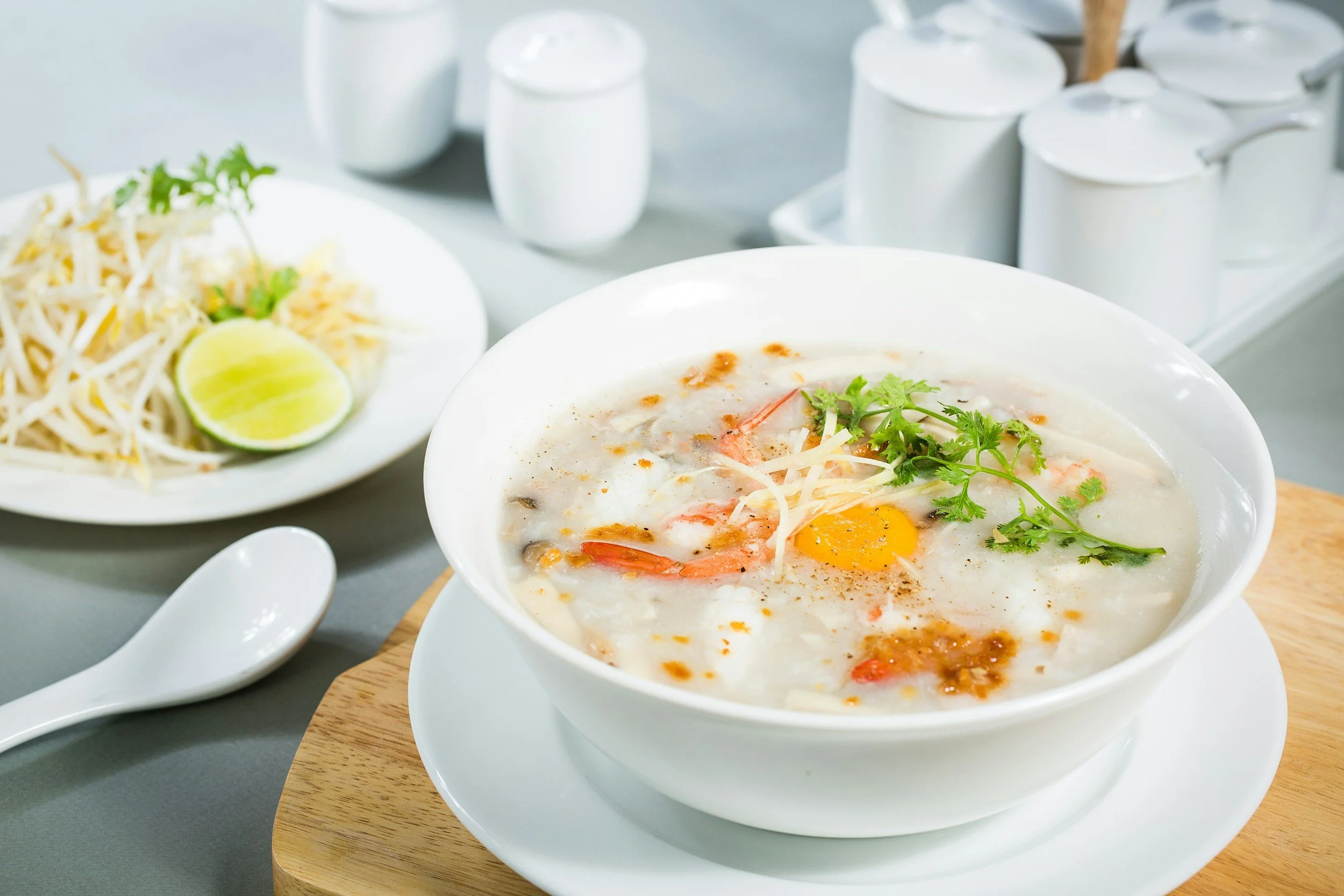
What are advanced glycation end products (AGEs) in food?
Advanced glycation end products (AGEs) are harmful compounds that form when protein reacts with sugar under high, dry heat — a process called the Maillard reaction, the same chemistry responsible for a seared steak's crust and a roasted vegetable's caramelised edge. You don't need to add sugar for this to happen: meat, vegetables and grains all naturally contain small amounts of reducing sugars alongside their proteins, which is exactly why an unsweetened steak still browns on a hot pan. AGEs accumulate in tissue over time and are consistently linked to inflammation, oxidative stress and cellular ageing.
The most cited data here comes from Dr. Helen Vlassara's team at the Icahn School of Medicine at Mount Sinai, who systematically measured AGE content across hundreds of foods cooked by different methods. The pattern was stark:
Raw beef: ~707 kU of AGEs per 100g. Roasted: over 6,000 kU.
Dry-heat methods: grilling, broiling, deep-frying, oven-frying, roasting… increased AGE content dramatically compared with the same food boiled or poached.
Marinating in an acid (lemon juice, vinegar) for even an hour, before cooking, measurably reduced AGE formation.
This isn't fringe. A follow-up randomised controlled trial which I find fascinating, from the same group, published in Diabetologia, put obese, insulin-resistant adults on diets differing only in AGE content- same foods, different cooking methods. The low-AGE group (boiled, steamed, poached) showed measurably improved insulin sensitivity and lower inflammatory markers than the high-AGE (grilled, fried) group, despite eating structurally similar diets. Cooking method alone moved the metabolic needle.
Does dietary AGE intake make you age faster?
Yes, dietary AGE intake has been correlated with Alzheimer's disease risk across national diets, via AGEs binding to the RAGE receptor and driving neuroinflammation. And a 2024 study out of the Malmö Offspring cohort linked skin AGE accumulation directly to increased vascular ageing in the general population… this is the "your cooking method is visible on your face" data point, not a TikTok claim.
Why is Japanese cooking associated with longevity and anti-aging?
Japanese cooking is built around water, not fire, as the primary cooking medium, which means traditional Japanese meals naturally produce far fewer AGEs than a diet built on grilling, frying and roasting. None of this is new information to traditional food cultures; it's just been rediscovered by Western researchers:
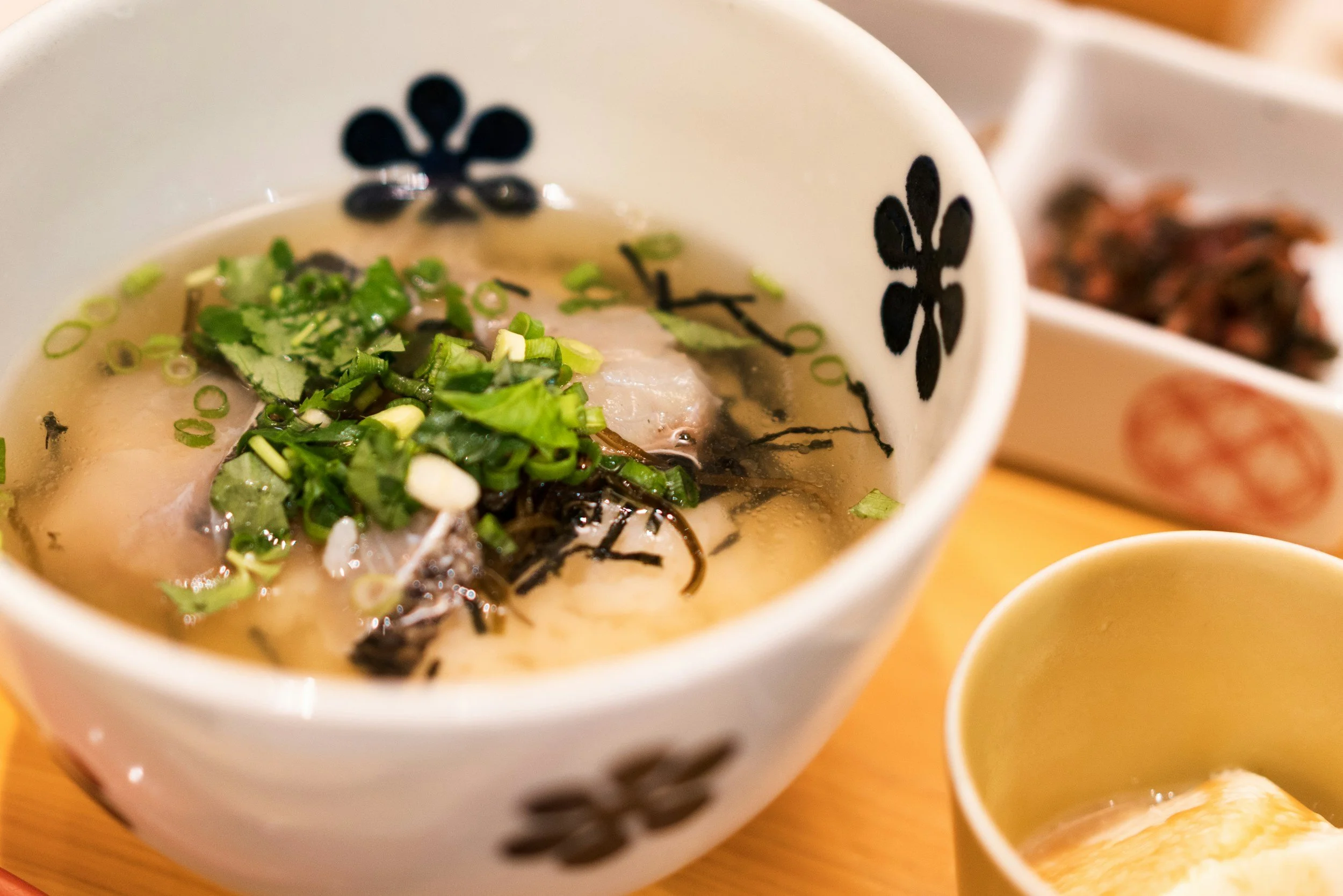
· Dashi - the foundational stock made by gently steeping kombu (kelp) and dried bonito in water below boiling point - is the base of miso soup, simmered dishes (nimono), and most home cooking. It's extraction, not browning.
· Miso soup itself is a masterclass in gut-conscious technique: the fermented, probiotic-rich miso paste is added after the dashi comes off the heat, specifically so it's never boiled, preserving live enzymes and microbial compounds that high heat would destroy.
· Nabe (hot pot), oyakodon, and steamed rice - the bulk of a traditional Japanese diet is poached, steamed or simmered, with grilling and frying reserved for occasional dishes, not daily staples.
· Flavour comes from umami - kombu, bonito, miso, mushroom - rather than from the Maillard browning Western cooking relies on. You get depth of flavour without the AGE load.
This is very likely part of why traditionally-prepared Japanese and Okinawan diets are associated with longevity outcomes that Western researchers keep trying to isolate down to single nutrients. It was never just the fish. It was the water.
Is water-based cooking better for gut health?
Yes, beyond the systemic AGE picture, water-based cooking does three things directly relevant to gut repair work:
It's mechanically gentler on an already-irritated gut lining. Low, moist heat doesn't create the hardened, harder-to-digest protein structures that high dry heat does, meaning its easier to break down, especially for someone with reduced digestive capacity, low stomach acid, or active inflammation.
Slow-simmered broths extract, don't destroy. Long, low simmering of bones and connective tissue releases amino acids - glycine, glutamine, proline - that the body preferentially routes to gut lining repair and mucosal integrity. This is exactly why traditional broths show up in virtually every healing food culture, not just wellness Instagram.
Hydration is part of the meal, not separate from it. Soups, stews and broths deliver fluid alongside minerals and electrolytes in a form that's easier on motility and absorption than a dry plate washed down with a glass of water afterward.
What are the best cooking methods to reduce AGEs?
Steaming, poaching, simmering and broth-based cooking are the core water-based methods — kept at or near 100°C (212°F) rather than pushed past it, since that's the threshold where the Maillard reaction really accelerates. In practice, that looks like:
Default to steaming, poaching, simmering and broths for the bulk of your week. Keep the cooking liquid at or near 100°C (212°F) rather than pushing past it — this is the temperature threshold where the Maillard reaction really accelerates.
Marinate in an acid before you cook anything at higher heat. Lemon, vinegar, even yoghurt or whey - even a short marinade measurably cuts AGE formation.
Build flavour with umami and aromatics, not browning. Ginger, garlic, miso, mushroom, kombu, fresh herbs. This is what Japanese technique does instinctively and Western technique often skips in favour of the pan.
Reheat leftovers gently, with a splash of homemade meat stock or broth - not a hot dry pan, which just re-triggers the reaction on food that's already been cooked once.
If you want the sear, do it last, briefly, on food that's already mostly cooked by moist heat - you get the flavour and texture payoff without the food spending most of its cooking time at damaging temperatures.
Can you still grill or roast food and limit AGEs?
Yes, this isn't about never grilling again. Balance, not purity, is the whole point of root-cause work over restriction.
Here's how I think about it: if you're simply optimising and want to fight the clock a little, this is about balance, not purity. Make water-based cooking your default at home - meals built around broths, steaming, poaching and simmering, and let the BBQ, the sear, and the roast be the treat, not the staple. The high-heat, browned, charred food that dominates a standard Western plate isn't just a giving taste, it's a driver of inflammation, glycation and tissue ageing, gut included. Traditional Japanese cooking uses water as the primary tool rather than fire.
If you're in an active healing phase, it's a different conversation. On the 30-Day Gut & Metabolic Reset, depending on individual symptoms, I commonly have clients lean almost entirely on broth-based meals and water-based cooking through the first couple of weeks. The gut lining needs the gentlest possible input while it's repairing, not a BBQ steak. As symptoms shift and the gut settles, BBQ and higher-heat cooking get reintroduced in a considered manner.
If you're not sure which phase you're actually in, that's exactly what a 1:1 consult is for - figuring out where your gut is at right now, and what your kitchen should look like this month versus in three months.
Frequently asked questions
Does water-based cooking actually slow down aging?
It supports it, rather than reversing it outright, water-based cooking reduces your intake of advanced glycation end products (AGEs), the compounds most directly linked to skin ageing and tissue stiffness in the research. Less dietary AGE input means less of that particular ageing pressure on your body, on top of whatever else is happening with genetics, sun exposure and lifestyle.
Is steaming healthier than boiling?
Both are water-based and both largely avoid AGE formation. Steaming has the edge for nutrient retention, since food isn't sitting directly in water that soluble vitamins can leach into. Boiling is still a good option, especially when you're keeping and using the cooking liquid, as in a soup or broth.
Can I still eat grilled or roasted food if I'm healing my gut?
It depends on your symptoms and goals! Likely yes, once your symptoms have settled, but I generally have clients minimise it during an active healing phase like the first weeks of the 30-Day Gut & Metabolic Reset, when the gut lining needs the gentlest possible input. It gets reintroduced gradually as things improve, not cut out forever.
How long until I'd notice a difference from switching to water-based cooking?
Gut symptoms often shift within one to two weeks of consistent change, since inflammation and irritation from harsher cooking methods can ease relatively quickly. Skin and longer-term aging markers move on a much slower timeline, think months, not days - because AGE accumulation in tissue happens gradually and clears gradually.
Does the 30-Day Gut & Metabolic Reset include recipes?
Yes, the program includes recipes built specifically around water-based, gut-gentle cooking, alongside 1:1 consultations, so you're not left guessing how to translate any of this into how your week will look. More info on the Reset here!
Sources referenced: Uribarri et al., dietary AGE research, Icahn School of Medicine at Mount Sinai; Vlassara et al., randomised controlled trial, Diabetologia (2016); Uribarri et al., Proceedings of the National Academy of Sciences (2014); AGEs and Alzheimer's disease risk, Journal of Alzheimer's Disease; Jujic et al., "Accumulation of advanced glycation end products in skin and increased vascular ageing," Malmö Offspring Study, Journal of Hypertension (2024).