

What is gastritis?
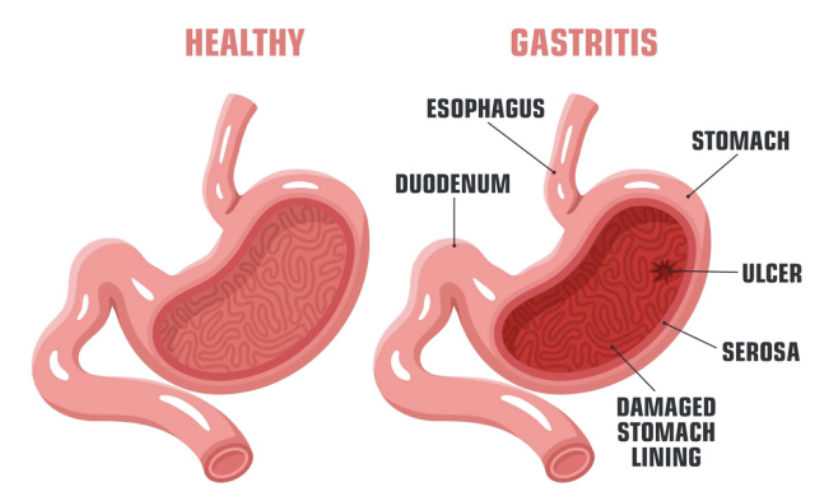
Gastritis is inflammation or irritation of the stomach mucosa or lining. This soft mucus layer protects your stomach wall from acid, enzymes and microbes every day.
When the lining is inflamed, the tissue underneath is more exposed to your own stomach acid, and that is usually when discomfort starts.
Gastritis comes in two forms:
Acute: comes on suddenly.
Chronic: the inflammation hangs around for months or years.
Many people have no symptoms at all until the lining is quite worn down. That is why it pays to understand what irritates it.
What causes gastritis?
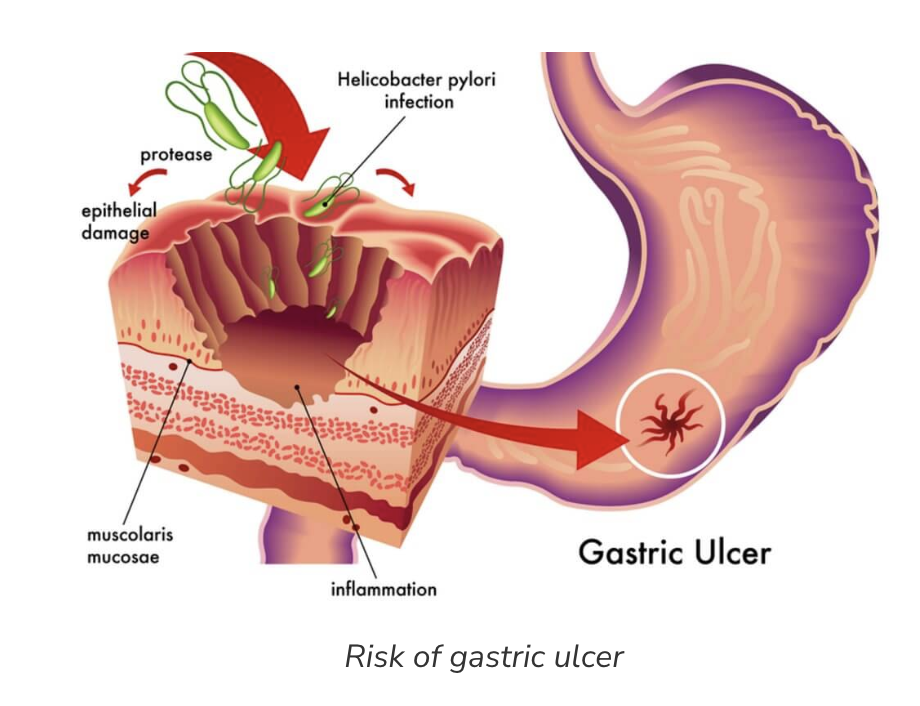
1. H. pylori. Helicobacter pylori is a bacterium that lives in the stomach and small bowel. It is one of the most common infections in the world and the most common cause of gastritis. A 2025 analysis of global burden data found that regions with more gastritis also tended to have higher rates of H. pylori.
2. NSAIDs. Regular or heavy use of anti-inflammatories like ibuprofen is one of the most common causes of acute gastritis. These drugs reduce prostaglandins, the compounds your stomach relies on to keep up its mucus layer, bicarbonate and blood flow.
3. Alcohol. Alcohol irritates and erodes the lining directly. Whether it causes a short-term flare or a long-term problem depends largely on how much and how often you drink.
4. Other infections. A stomach bug usually causes a short reaction that settles on its own. Parasitic and fungal infections can also inflame the lining, but this is less common.
5. Physical stress on the body. Major surgery, trauma or serious illness pulls blood flow away from the digestive system. With less blood supply, the lining has weaker defences against the acid and enzymes inside the stomach.
How common is gastritis? How common is H. pylori infection?
Gastritis is far more common than many people realise. In one population-based study where adults underwent endoscopy and stomach biopsies, 40.2% were found to have gastritis, meaning around 4 in 10 people had inflammation of the stomach lining, and importantly, it was often present without obvious symptoms.
Globally, H. pylori infection is extremely common: the most recent large systematic review and meta-analysis found that approximately 43% of adults worldwide were infected during 2015–2022, roughly 4 in every 10 adults. Prevalence varies considerably between countries and regions, with rates exceeding 50% in some parts of the world. According to the NIDDK, H. pylori gastritis is the most common type of gastritis, and nearly everyone infected with H. pylori develops chronic gastritis, although this does not necessarily mean they will experience noticeable digestive symptoms.
What are the symptoms of gastritis?
When symptoms do show up, they can include:
• Burning, gnawing or pressure-like discomfort in the upper abdomen
• Nausea or vomiting
• Stomach pain and bloating
• Feeling full after only a small amount of food
• Loss of appetite
• Unintentional weight loss
Symptoms tend to appear once the lining is worn down enough that it can no longer defend itself properly.
Why gut health matters for upper abdominal pressure. Pressure under the ribs is often caused by trapped gas, not only by inflammation of the stomach lining. Gas builds up when food isn't broken down well or when the balance of bacteria in your gut is off, so getting your gut health right is an essential part of easing that pressure. If you've looked after the lining and the pressure keeps coming back, the gut is the next place to look. My 30-Day Gut & Metabolic Reset is where I take people through resetting gut and metabolic health with 1:1 support.
Can chronic gastritis cause nutrient deficiencies?
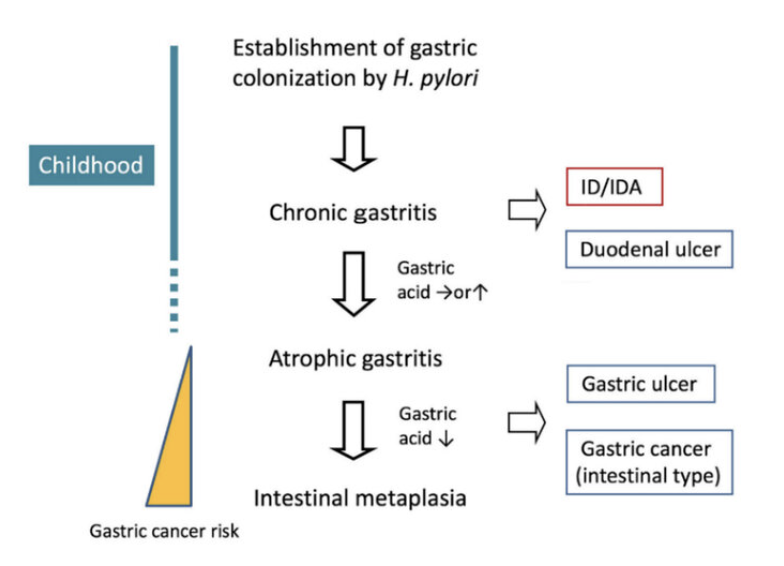
Left unaddressed, chronic gastritis can thin the stomach lining and reduce how well it functions. That makes it harder to absorb iron, folate and vitamin B12, which is something I see affect energy and mood in my clients.
In rare cases, long-running inflammation can change the lining into a different type of tissue, called gastric intestinal metaplasia. This is considered precancerous, and it is a motivating reason to address long-running inflammation early and look for the root cause.
What is the best diet for gastritis?
There is no single gastritis diet that works for everyone. A food that sets one person off can be fine for the next. The most useful starting point is noticing what consistently makes your symptoms worse, and adjusting that without cutting out more than you need to. With that in mind:
Foods that commonly aggravate gastritis symptoms
Alcohol
Coffee and other caffeinated drinks
Spicy foods
Acidic foods and drinks
Fried and very fatty foods
Carbonated drinks
Very large meals
Foods that are typically gentler
During a flare, people often tolerate simple, soft, cooked and relatively low-fat foods. Examples include:
Well-cooked vegetables
Potatoes or sweet potatoes
Bananas and melon
Cooked fruit
Soups and broths
Lean proteins such as chicken, fish or eggs
Plain yoghurt or kefir if dairy is tolerated
One important nuance: foods such as chilli, coffee and acidic foods can be triggers, but that doesn't mean they actually cause gastritis. The underlying cause matters enormously, particularly H. pylori, NSAID use and alcohol. In H. pylori gastritis, for example, eradicating the infection is the key treatment rather than simply removing particular foods.
Does garlic help with H. pylori?
Garlic's active compound, allicin, has been studied alongside standard H. pylori treatment. A pooled analysis of eight randomised trials (867 adults) found higher eradication rates when allicin was added: about 93% versus about 84%. The authors noted the overall quality of the trials was limited, and allicin was used in addition to antibiotic therapy, not instead of it.
A small trial of 15 people with H. pylori had them eat about two medium cloves of raw garlic (around 3 g) with lunch and dinner for three days. Breath testing showed a significant drop in the bacteria's urease activity. It was a small, short study, so it does not show that garlic clears the infection. It does show that an everyday food amount had a measurable effect. Garlic is worth trying if you tolerate it well. Functional medicine practitioners such as Dr. Josh Axe also recommend it, raw or cooked, and the studies he cites point to about two cloves a day, although that evidence includes animal research.
Are probiotics and fermented foods good for gastritis?
Yoghurt, kefir, kimchi and sauerkraut provide beneficial bacteria. Introduce them slowly and in small amounts. They are very active foods, so pay attention to how you respond to each one. Yoghurt and kefir suit many people.
Research suggests Lactobacillus and Bifidobacterium strains may help reduce H. pylori colonisation and stomach inflammation. When added to standard triple therapy, probiotics were linked with better eradication rates and fewer side effects such as nausea and diarrhoea.
Is green or black tea good for H. pylori?
In a study of 150 people with dyspepsia, regular tea and honey consumption were both linked with lower rates of H. pylori. Of those who drank green or black tea at least weekly, 45.2% tested positive, compared with 64.8% of everyone else. Tea drinking stayed significantly associated with lower odds of infection after other factors were accounted for.
Animal and lab studies support the idea, with green tea catechins reducing H. pylori in gerbils. But no human trial has shown that tea can eradicate H. pylori. Think of it as a supportive habit.
Which foods trigger gastritis symptoms?
In a Beijing study of people with chronic gastritis, around 58% said their symptoms were linked to what they ate. The most common complaints, stomachache and bloating, were associated with meat, barbecued food, fried food, sour foods, sweets, snacks and salty foods. These links do not apply equally to everyone, which is exactly why a food and symptom diary is so useful. Note what you eat, when, and how you feel afterwards. You can go a step further with a short elimination: remove the common trigger foods (citrus, tomatoes, spicy foods, alcohol, coffee and processed foods) for several weeks, then add them back one at a time to see which ones your body objects to.
Does meal timing affect gastritis?
A study of 526 people with chronic gastritis found that irregular meal timing and inconsistent meal sizes were linked with stomachache, bloating and a range of other digestive symptoms. Irregular meal size had one of the strongest links to pain and bloating, and irregular mealtimes were linked with almost every symptom measured. Moderate portions at consistent times are a simple place to start. For symptom management, I suggest trying up to five or six small meals through the day, and leaving three to four hours between your last meal and bed. Alternatively, longer fasting periods may help restore upper GI balance and could work as part of a longer term healing strategy.
Which foods support the stomach lining?
Beyond the foods above, build meals around colourful, antioxidant-rich vegetables and fruit, fiber from vegetables, clean proteins and healthy fats such as wild-caught fish, olive oil, and avocado. Digestive herbs like licorice root, fennel and anise have a long history of use for stomach complaints and can calm inflammation and prevent the nutrient gaps that can build up with long-running gastritis.
Which lifestyle habits affect gastritis?
Smoking, vaping and alcohol. A 2025 study of nearly 13,000 adults across 52 Chinese cities found H. pylori was more common in people who drank alcohol and in people who smoked. After adjusting for other factors, alcohol was still linked with 16% higher odds of infection. In the first analysis, 31% of smokers tested positive compared with 26% of non-smokers. Vaping has been studied far less in relation to gastritis, so there is no research showing it is a safe swap. It still delivers nicotine, so it makes sense to treat it with the same caution as smoking while your lining is irritated.
Water. Plain or salty water, six to eight glasses a day.
NSAIDs. Use ibuprofen and other medications minimally or only as directed, and not more often or for longer than you need to. If you take one for a diagnosed condition, talk to your doctor, there may be options that are gentler on your stomach lining.
Stress. A 2024 review of 16 randomised trials (1,550 people with functional dyspepsia) found that psychological approaches like cognitive behavioural therapy, hypnotherapy and mindfulness significantly reduced digestive symptoms and anxiety compared with usual care. Stress alone is not thought to cause gastritis, but it can make symptoms worse. Breathing exercises, meditation, yoga and massage are all reasonable places to begin stress management.
Essential oils. Peppermint and ginger are often used for digestive discomfort. Clove oil has attracted interest because of its eugenol content. In a lab study, clove bud eugenol inhibited H. pylori, including antibiotic-resistant strains, and cut the bacteria's protective biofilm by about half at a lower dose and about 73% at a higher dose.
What are the red flags with gastritis?
Food and lifestyle changes can help with mild or occasional discomfort, but some symptoms are red flags that sit outside what nutrition can address.
Symptoms that last longer than a week, keep getting worse, or make it hard to eat normally deserve a closer look.
Get medical care promptly if you vomit blood or see blood in your stool. Unintentional weight loss, repeated vomiting, or feeling full after very small amounts of food also need checking, especially if they continue.
Working out the root cause, including whether H. pylori is involved, shapes the right approach for you.
Gastritis FAQs
What is gastritis? Gastritis is inflammation or irritation of the stomach lining. It can come on suddenly or last a long time, leaving the tissue underneath more exposed to stomach acid and digestive enzymes.
What are the symptoms of gastritis? Upper abdominal burning, gnawing or pressure, nausea, vomiting, pain, bloating, reduced appetite, unintentional weight loss, or feeling full after eating very little. Some people have no symptoms at all.
How long does gastritis last? It depends on what is irritating the lining and whether that trigger continues. Acute gastritis can settle once the cause is removed, while chronic gastritis persists until the underlying cause is dealt with.
Which foods are linked with stomach symptoms? Research has linked pain and bloating with meat, barbecued food, fried food, sour foods, sweets, snacks and salty foods. These links vary from person to person.
How are smoking, alcohol and NSAIDs connected to gastritis? Smoking and alcohol are associated with a higher likelihood of H. pylori infection. NSAID overuse can weaken the stomach lining's defences. The effect depends on how often, how long, how much, and individual factors.
Can diet and lifestyle help with gastritis? Yes, they can help. Food and lifestyle changes may ease mild or occasional discomfort and support the lining, especially when the irritation comes from a known trigger like alcohol, NSAIDs or irregular eating. If H. pylori is involved, the research on garlic, probiotics and tea is still early, so finding the root cause matters.
Does garlic kill H. pylori? Garlic shows promise. A small trial found raw garlic reduced H. pylori activity over three days, and allicin has been studied alongside standard therapy with higher eradication rates. There is no evidence yet that garlic clears the infection by itself.
Is green tea good for gastritis? In one study of 150 people with dyspepsia, regular green or black tea drinkers had lower rates of H. pylori. No human trial shows tea alone can eradicate the bacteria.
What should I avoid eating with gastritis? There is no universal list. A food diary helps you find your own triggers, and regular moderate meals are easier on the stomach. Book in for a 1:1 with Sarah to get to the bottom of your individual case.
When is gastritis an emergency? Vomiting blood or blood in your stool needs prompt medical care. Repeated vomiting, unintentional weight loss or feeling full after very small amounts of food also need checking.
The bottom line
Your stomach lining is protective tissue, and it can only take so much. Look for what is driving the irritation (H. pylori is the most common cause), keep meals regular and moderate, notice your trigger foods, and look at alcohol, smoking, NSAIDs and stress. Then let food do the work: garlic, fermented foods, tea, colourful vegetables and fruit, clean proteins and healthy fats.
Ready to reset your gut? Join the 30-Day Gut & Metabolic Reset and get 30 days of guided gut and metabolic support, with 1:1 consultations included.
Want personalised help now? Book a 1:1 with me and we'll look at your symptoms, diet and testing options together.
This article is for general information only and is not medical advice.
References
Int J Med Sci. 2025;22(11):2570-2582 (global burden of gastritis and H. pylori)
World J Gastroenterol. 2019;25(39):6025-6040
Avicenna J Phytomed. 2016;6(5):495-501
Nutrients. 2022;14(7):1527
Applied Food Research. 2025;5(2):101193
Iran J Pharm Res. 2022;21(1):e127030
Evid Based Complement Alternat Med. 2020;2020:5197201
Int J Infect Dis. 2025;154:107890
Acta Gastroenterol Belg. 2024;87(2):294-303
Wien Med Wochenschr. 2026;176:157-167
Molecules. 2023;28(6):2448
Cleveland Clinic, Gastritis
Dr. Josh Axe, Gastritis Diet Treatment Plan, draxe.com (2016)
Vyse AJ et al. The burden of Helicobacter pylori infection in England and Wales. Epidemiol Infect. 2002;128(3):411-417
Seroepidemiology of Helicobacter pylori infection in Australia, 2002 (PubMed ID 18400542)
Helicobacter pylori: rise of the resistance. Aust J Gen Pract (RACGP), October 2025
NICE, Dyspepsia and GORD: draft scope for consultation (2012)