How to restore gut health after antibiotics (& other meds)
If you've recently taken antibiotics and are now experiencing bloating, constipation, diarrhoea, food sensitivities, fatigue, or simply feel not quite right, you're not imagining it.
Antibiotics can be life-saving when genuinely needed. They can resolve infections, prevent complications, and in some situations, save lives. But while they target harmful bacteria, they also affect the trillions of beneficial microbes that live throughout your digestive tract.
These microbes help regulate digestion, immunity, nutrient absorption, inflammation, hormone function, and even mood.
And antibiotics aren't the only medications that can affect gut health.
Common medications including antacids, anti-inflammatory medications, pain medications, hormonal medications and many long-term prescriptions can influence the gut microbiome, digestive function, and the integrity of the gut lining.
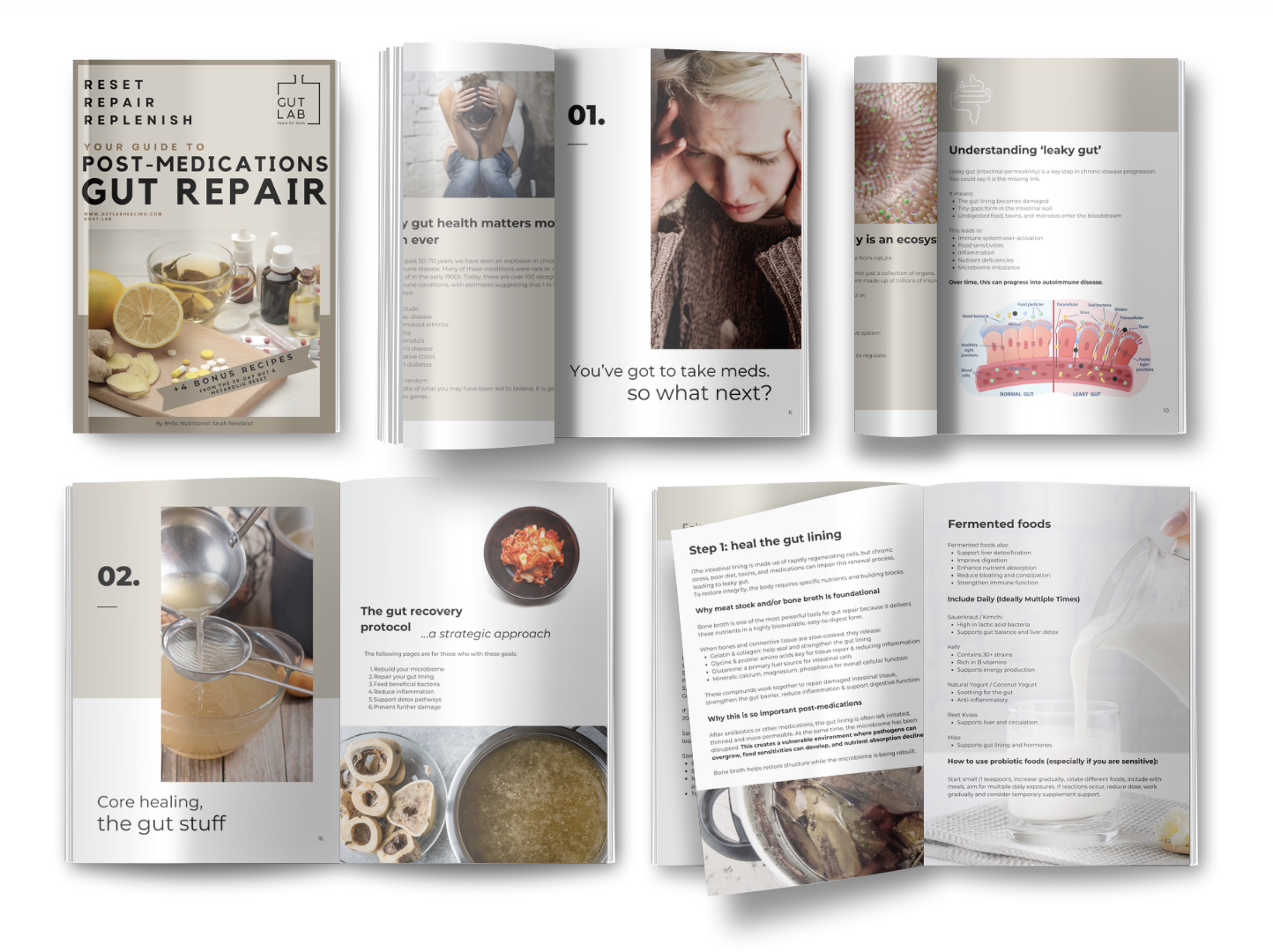
The good news is that your microbiome is remarkably adaptable. With the right support, many people notice significant improvements in digestion, energy, bowel function and overall wellbeing after medications. (This is why I created the Post Medications Gut Repair guide, with food lists and example recipes).
In this article, you'll learn:
• Why antibiotics affect gut health
• Common symptoms people experience after medications
• The foundations of microbiome recovery
• Why probiotics alone are often not enough
• Foods that support gut repair after antibiotics
• How to support your gut naturally after medications
Why do antibiotics affect gut health?
Your digestive tract contains trillions of microorganisms collectively known as the gut microbiome.
These microbes are not simply passengers. They perform countless important functions including:
• Supporting digestion
• Producing vitamins and beneficial compounds
• Helping regulate immunity
• Maintaining the gut lining
• Influencing inflammation throughout the body
Antibiotics work by killing bacteria. Unfortunately, they don't always distinguish between harmful bacteria and beneficial bacteria.
As a result, antibiotic use can:
• Reduce microbial diversity
• Alter the balance of beneficial microbes
• Disrupt digestion
• Influence immune function
• Increase the likelihood of microbial imbalance (dysbiosis)
Other medications can also influence gut health by reducing stomach acid, altering digestive function, affecting bowel motility, or impacting the microbiome.
This doesn't mean medications should never be used. Sometimes they are necessary. It simply means that supporting your gut during and after medication use is an important consideration.
What are the signs your gut needs support after antibiotics?
Not everyone experiences noticeable symptoms after medications, but common signs of gut disruption may include:
• Bloating
• Excess gas
• Constipation
• Diarrhoea
• Abdominal discomfort
• Food sensitivities
• Fatigue
• Brain fog
• Skin issues
• Reduced resilience
• Changes in bowel habits
• Feeling generally "off"
These symptoms can occur because the microbiome, digestive function, and gut lining may all be affected by medication use.
What are the foundations of gut recovery after antibiotics? (& other medications)
When people think about restoring gut health after antibiotics, they often focus entirely on probiotics.
While probiotics can be helpful, they are only one piece of the puzzle, and are much more effective when the other elements are also addressed.
Effective gut recovery involves supporting multiple aspects of digestive health simultaneously.
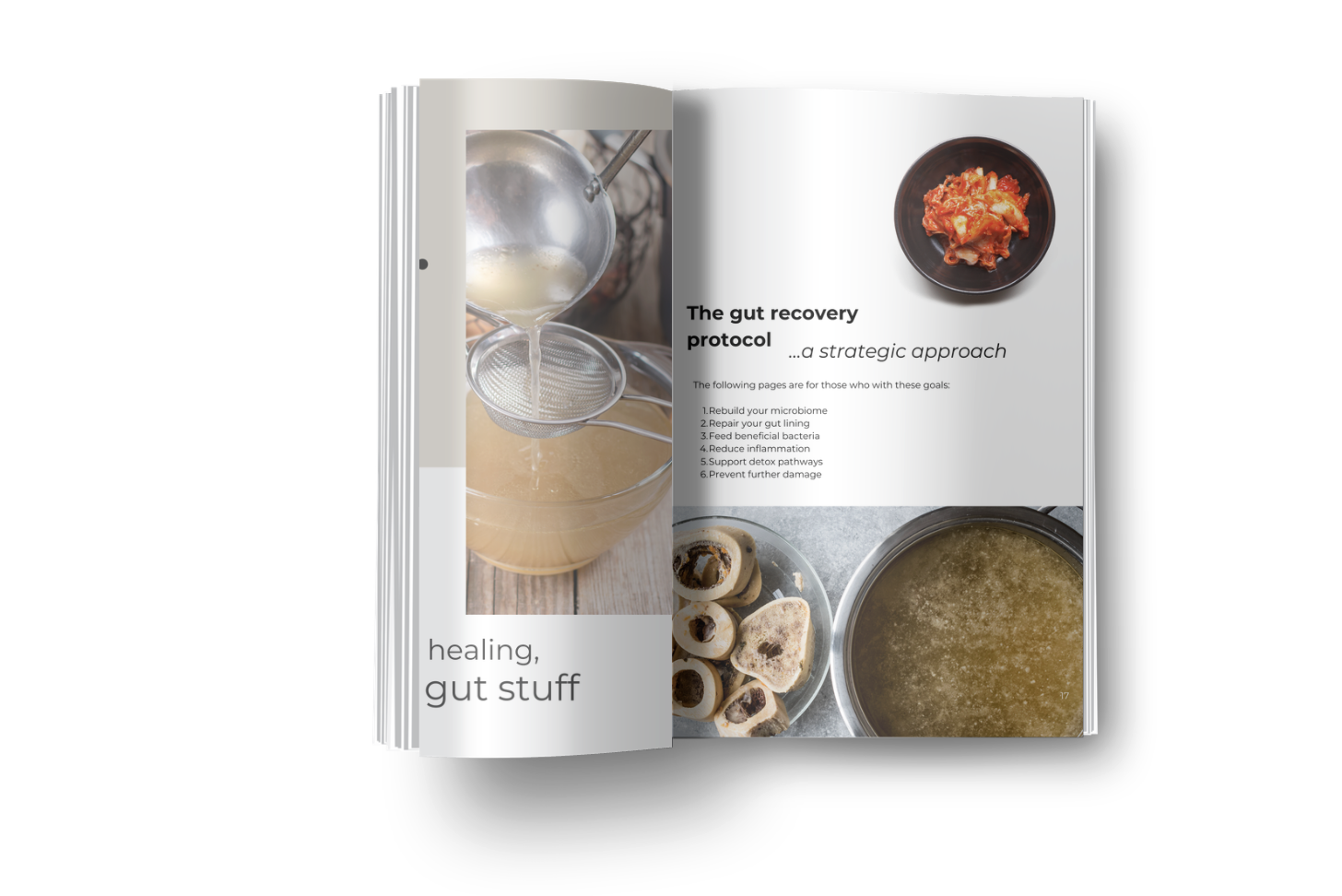
1. Repair the terrain
The gut microbiome lives on the surface of the intestinal lining.
If the gut lining is inflamed, irritated, or compromised, it becomes more difficult for beneficial microbes to thrive.
Including nourishing foods such as:
• Bone broth
• Slow-cooked meats
• Collagen-rich foods
• Gelatin-rich cuts of meat (the tough cuts)
• Mineral-rich homemade stocks
are a valuable part of a gut-supportive diet.
2. Restore beneficial microbes
One of the most well-known strategies after antibiotics is replenishing beneficial bacteria.
This can include probiotic-rich foods such as:
• Kefir
• Natural yoghurt
• Sauerkraut
• Kimchi
• Beet kvass
• Miso
Many people are surprised to learn that food sources of probiotics often contain significantly greater microbial diversity than many supplements.
However, introducing beneficial bacteria is only part of the process.
Most focus entirely on probiotics and completely overlook the next critical step.
3. Feed the good bacteria
Beneficial microbes need food in order to survive and multiply.
These foods are known as prebiotics.
Examples include:
• Garlic
• Onion
• Leeks
• Asparagus
• Apples
• Green bananas
• Cooked and cooled potatoes
Without appropriate nourishment, even the best probiotic supplements and fermented foods only provide temporary benefits.
What you eat helps determine which microbes flourish and which ones fade away.
4. Reduce ongoing inflammation
When the digestive system is already under stress, highly processed foods can make recovery more difficult.
Many people benefit from reducing, or better yet, eliminating:
• Processed foods
• Refined sugars
• Alcohol
• Artificial sweeteners
• Fast foods
Instead, focus on simple whole foods such as quality proteins, organic vegetables, broths, soups, stews and seasonal fruit.
The goal is creating an environment that supports healing.
5. Support elimination
Healthy bowel function plays an imperative role in digestive health.
When bowel movements become sluggish, waste products remain in the digestive tract longer than intended.
Supporting healthy elimination may involve:
• Adequate hydration
• Mineral intake
• Regular movement
• Fibre from appropriate foods
• Addressing constipation if present
For many people, restoring healthy bowel habits is one of the most important steps in improving overall digestive wellbeing.
Why aren’t probiotics enough after antibiotics?
One of the biggest mistakes people make after antibiotics is assuming that taking a probiotic supplement will completely solve the problem.
Unfortunately, gut recovery is rarely that simple. The microbiome exists within a broader ecosystem.
A healthy microbiome depends on:
• A healthy gut lining
• Appropriate food choices
• Adequate digestive function
• Good bowel motility
• Ongoing nourishment from prebiotic foods
What are the best foods to eat after antibiotics?
A gut-supportive approach includes:
• Bone broth and meat stocks
• Slow-cooked meats
• Soft cooked vegetables
• Fermented foods
• Natural yoghurt
• Kefir
• Quality proteins
• Seasonal fruit
• Mineral-rich foods
• Prebiotic vegetables
Simple meals are easier to digest than processed or convenience foods.
Soups and stews are particularly supportive during the recovery phase.
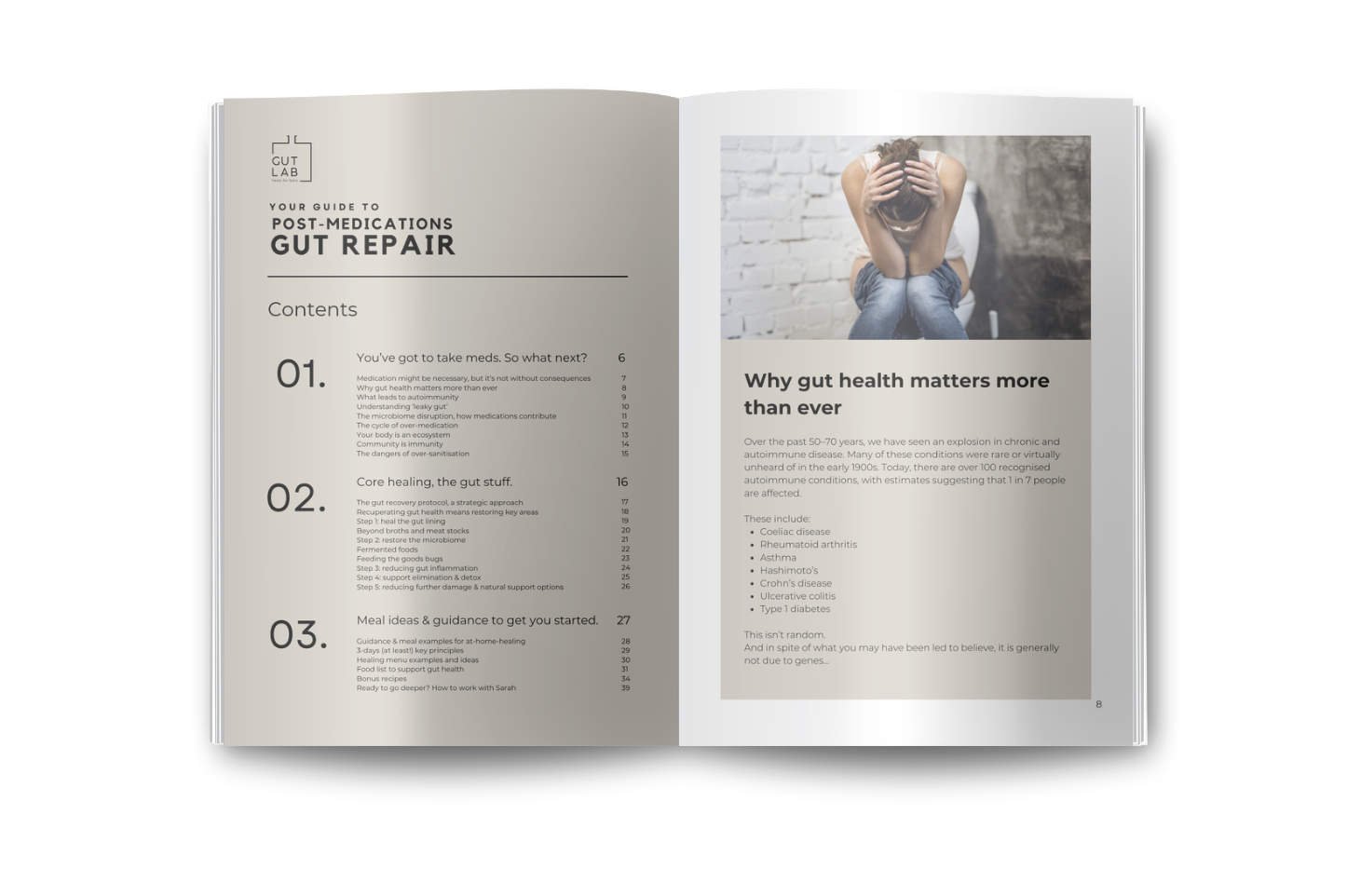
Understanding how to support the gut during or after medications is exactly why I created the Post-Medications Gut Repair Guide.
The Post-Medications Gut Repair Guide was designed specifically for people who have had to take antibiotics or other pharmaceutical medications and want a practical, food-first strategy for supporting gut recovery afterwards.
Inside you'll learn:
• The Gut Lab approach to post-medication gut repair
• The foundations of microbiome restoration
• How to support gut lining integrity
• The role of probiotic and prebiotic foods
• Foods that help support recovery
• Meal guidance and practical implementation strategies
• Bonus healing recipes
Rather than piecing together conflicting information from dozens of websites, you'll have a simple roadmap that explains exactly how these principles fit together.
👉 Purchase the Post-Medications Gut Repair Guide for AUD $9.99 here.
Frequently Asked Questions
How long does it take for gut bacteria to recover after antibiotics?
Recovery time varies significantly from person to person. Factors such as age, diet, overall health, medication history, stress levels and microbiome diversity all play a role. Some people notice improvements within days or weeks, while others require a longer period of focused dietary and lifestyle support.
Should I take probiotics after antibiotics?
Many people choose to include probiotics after antibiotics. Probiotic foods and supplements can help support microbial diversity and digestive function. However, probiotics are generally most effective when combined with broader dietary strategies that also support the gut lining, digestion and beneficial bacteria already present within the microbiome.
What are the best foods to eat after antibiotics?
Foods commonly included in a gut-supportive approach include bone broth, slow-cooked meats, fermented foods, kefir, yoghurt, soft cooked vegetables, seasonal fruit and prebiotic-rich vegetables such as garlic, onion and asparagus. You can learn more about this in the Post Medications Gut Repair guide.
Can antibiotics cause bloating?
Yes, some people experience bloating after antibiotics. This may occur due to temporary changes in microbial balance, digestion and fermentation patterns within the gut.
Can antibiotics cause constipation?
Yes. Changes to the microbiome and digestive function may contribute to constipation in some individuals. Supporting hydration, nutrition and bowel motility may help.
Can antibiotics cause diarrhoea?
Diarrhoea is a well-known side effect of antibiotics. This may occur because antibiotics alter the balance of microorganisms within the digestive tract.
Can medications affect the microbiome?
Yes. Antibiotics are the most obvious example, but all medications can influence the gut microbiome, digestive function, stomach acid production and bowel habits. Antacids are another example that dramatically affect gut health and the microbiome.
Final Thoughts
Recovering from medications isn't simply about replacing bacteria.
True gut recovery involves supporting the gut lining, restoring microbial diversity, reducing inflammation, supporting digestion, supporting excellent daily bowel movements, and creating an environment where beneficial microbes can thrive again.
If you'd like a practical, food-first roadmap that walks you through exactly how I approach post-medication gut repair, the Post-Medications Gut Repair Guide is available for immediate download.
Or, if you would like personalised support, you can book an online consultation and we can create a tailored plan based on your health history, symptoms and goals.